
Fluffy Restaurant-Style Scrambled Eggs (3-Min Trick)

How to Make Fluffy Restaurant-Style Scrambled Eggs (The 3-Minute Trick)
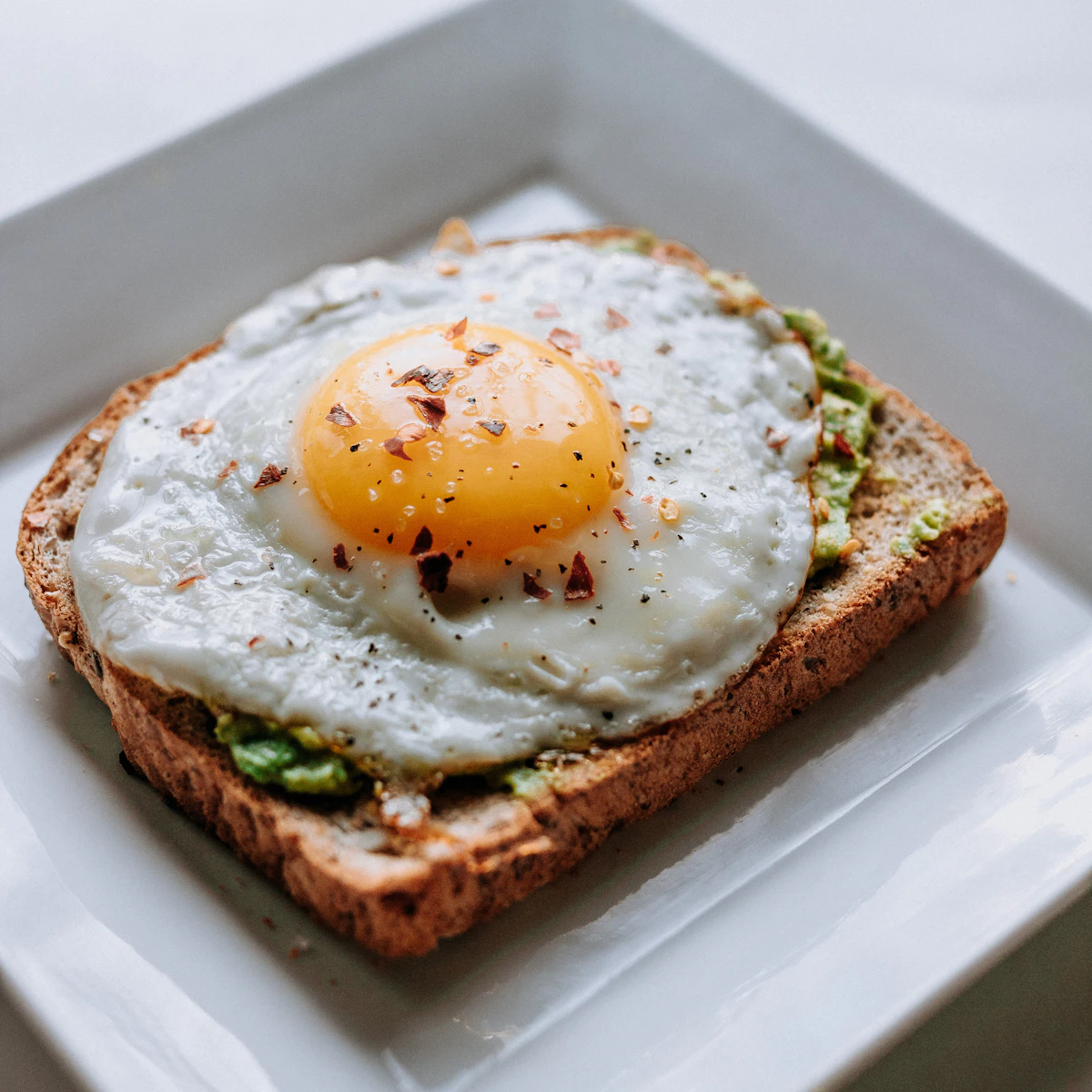
Ever wonder why diner and restaurant scrambled eggs taste incredibly velvety, light, and pillowy, while home-cooked versions often end up dry, rubbery, or swimming in a puddle of water?
It isn't about adding fancy ingredients like heavy cream or cream cheese. In fact, classical culinary technique dictates that the perfect egg requires only three things: good eggs, quality butter, and mastering the residual heat fold technique. Today, I am sharing the exact 3-minute trick that will completely transform your breakfast routine.
Watch the Technique in Action
The Secret Science: Why Pan Temperature Matters
The single biggest mistake people make is cracking eggs directly into a screaming-hot frying pan. Egg proteins are incredibly sensitive to heat. When subjected to high temperatures, the protein molecules tighten up quickly, squeezing out all the moisture like a wrung-out sponge. This is why your eggs turn rubbery and watery.
To get that velvety, luxurious texture, you must cook your eggs over medium-low heat. We want the proteins to coagulate slowly, trapping the natural moisture inside the folds rather than forcing it out.
Step-by-Step Guide: Mastering the "Fold"
Forget aggressive stirring or whisking the eggs inside the skillet. Restaurant-style eggs rely on long, elegant folds that build airy sheets of delicate curd.

1 Whisk Aeration
Whisk aggressively for 30 seconds to incorporate air until bubbles form on top.

2 The Push & Fold
As edges set, use a silicone spatula to sweep the cooked outer egg toward the center.

3 Kill the Heat Early
Remove the pan from the stove when the eggs look 80% done. They finish on residual heat!
✨ Printable Recipe: The Ultimate 3-Minute Fluffy Scrambled Eggs
Ingredients
- 3 large fresh eggs
- 1 tbsp unsalted butter
- 1 tbsp whole milk (optional, for extra moisture)
- A pinch of sea salt
- Fresh finely chopped chives (for garnish)
Instructions
- Beat the Eggs: Crack eggs into a small bowl. Add milk if using. Whisk vigorously using a fork or small whisk for a full 30 seconds until completely uniform and aerated.
- Warm the Pan: Melt the unsalted butter in a small non-stick skillet over medium-low heat until it coats the pan and starts to foam slightly (do not let it brown).
- Pour and Wait: Pour in the egg mixture. Let it sit undisturbed for 10–15 seconds until a thin layer sets at the bottom.
- The Soft Fold: Using a flexible silicone spatula, gently sweep the eggs from the outer edges into the center. Tilt the pan slightly so raw egg runs into the empty space. Repeat this slow folding motion.
- The Finish: Once you have soft, pillowy sheets and the eggs look glossy but still slightly wet, turn off the heat entirely. Fold one last time in the warm pan.
- Serve immediately: Plate right away, garnish with fresh chives, and season with salt to taste.

Comments
Post a Comment